
AI Tools in Photography & Videography: What Clients Should Know
April 18, 2026
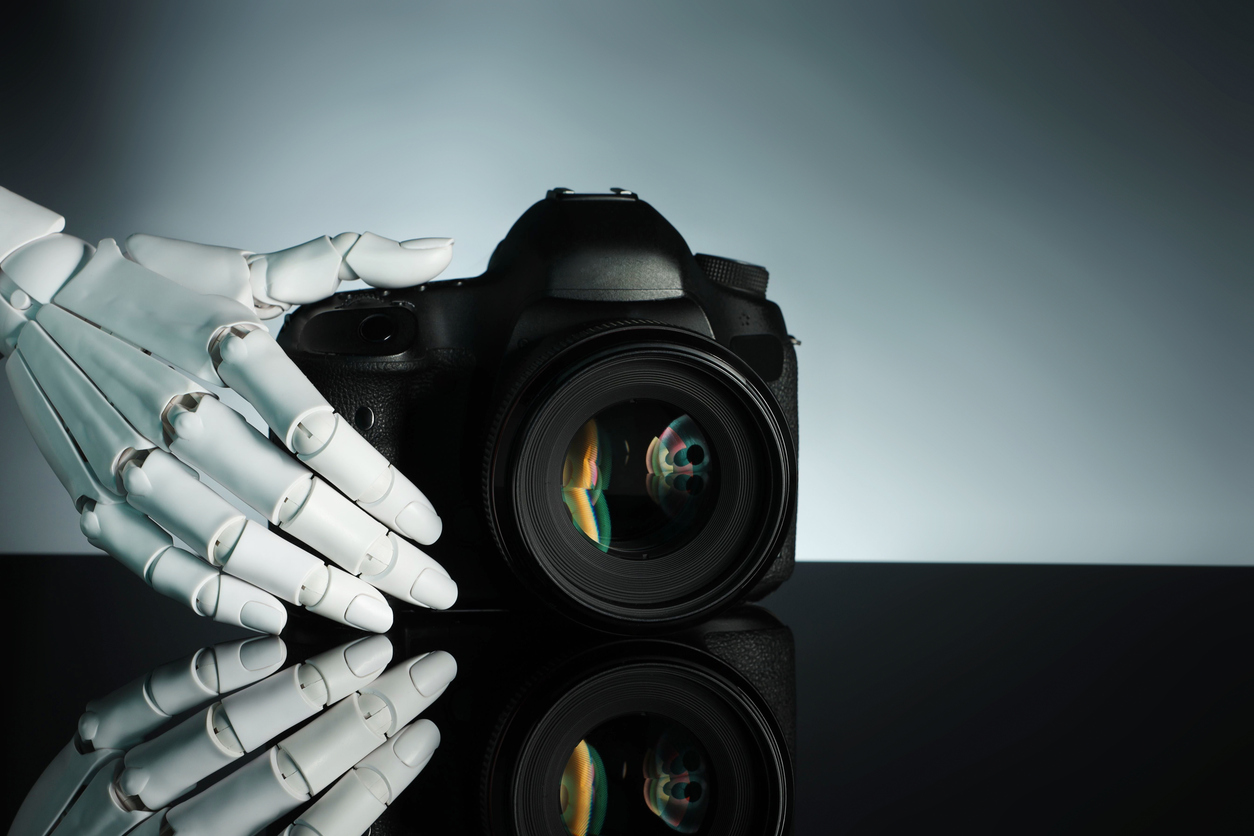
AI is changing photography and videography. But not in the way most people think.
AI tools in photography and videography are transforming how professionals capture, edit, and deliver creative work in 2026. For clients, that can raise real questions. Is the work still authentic? Does AI replace creativity? And what are you actually paying for?
The reality is simpler. AI is a tool. The best photographers and videographers use it to improve efficiency and quality, not replace the human side of storytelling.
Understanding the Role of AI in Creative Work
AI is now part of many professional workflows. It shows up behind the scenes more than you might think.
In photography, AI can assist with tasks like image culling, color correction, and background cleanup. Instead of spending hours sorting through thousands of images, a photographer can quickly identify the best shots and focus on refining them.
In videography, AI helps with editing timelines, stabilizing footage, and even organizing clips by scene or subject. This speeds up delivery without sacrificing detail.
What matters most is this: AI does not create vision. The photographer or videographer still decides the composition, lighting, emotion, and story.
Where AI Adds Value for Clients
When used correctly, AI tools improve your experience as a client.
Faster turnaround times– AI reduces repetitive editing work, which means you get your photos or videos sooner.
Consistent quality– Automated tools help maintain color balance, exposure, and style across large projects.
Better communication– Many professionals now use AI-powered scheduling and client management tools to keep timelines clear and organized.
More creative focus– With less time spent on manual tasks, creatives can focus on storytelling, direction, and capturing meaningful moments.
What AI Should Not Replace
These are important boundaries. Ethical professionals know where AI belongs and where it does not.
Authenticity– Your wedding, brand shoot, or event should reflect real moments. AI should enhance, not fabricate.
Human judgment– Creative decisions require taste, experience, and emotional awareness. AI cannot replicate that.
Transparency– Professionals should be clear about how they use AI in their workflow, especially when it comes to retouching or generative edits.
If something feels overly artificial, it usually is. A strong creative will know how to keep the work grounded and real.
How to Hire a Photographer or Videographer Using AI Responsibly
If you are exploring options, here are a few practical ways to evaluate a professional:
- Ask about their editing process: Do they use AI to assist or fully automate
- Review full galleries: Look for consistency, not just highlight shots
- Check for natural results: Skin tones, lighting, and textures should feel real
- Discuss timelines: Faster delivery should not mean rushed work
- Look for creative direction: Strong storytelling always comes from the person behind the camera
The goal is balance. Technology should support the work, not define it.
Why the Human Element Still Wins
AI can speed things up. It can improve workflows. It can even enhance quality in subtle ways.
But it cannot replace the moment a photographer anticipates a reaction before it happens. It cannot direct a couple to feel comfortable in front of the camera. It cannot understand your brand story or the emotion behind an event.
That is where real value lives.
The best professionals combine both. They use AI to work smarter, and they rely on experience and creativity to make the final result meaningful.
If you are hiring for photography or videography, do not be afraid of AI. Instead, look for someone who knows how to use it well.
Find Creative Pros
Work with local photographers, videographers, and graphic designers. Find your pro today!


