
Editing for Emotion: How Digital Videographers Enhance Storytelling
November 2, 2026
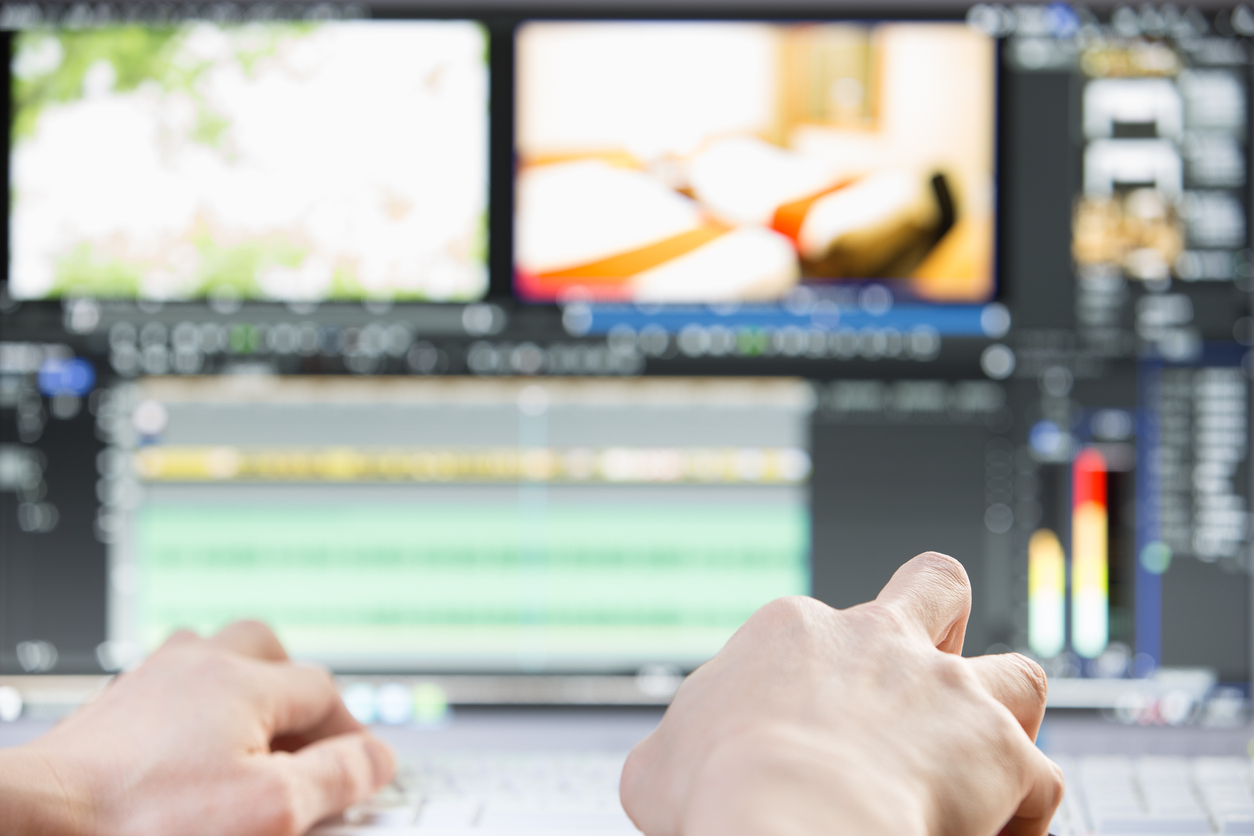
Digital videography editing has become one of the most powerful tools in modern visual storytelling. While cameras capture the moments, editing shapes how those moments are experienced, remembered, and felt.
Whether you’re hiring a videographer for a wedding, brand campaign, corporate event, or personal project, understanding the role of editing can help you choose a creative professional whose style aligns with your vision.
Today’s best videographers aren’t simply assembling clips together. They’re crafting emotional journeys through pacing, music, color grading, transitions, and narrative structure. The result is content that resonates long after the final frame fades to black.
Why Editing Matters More Than Ever
A beautifully filmed video can still fall flat without thoughtful editing.
Editing determines:
- Which moments receive focus
- How viewers emotionally respond
- The rhythm and pacing of the story
- The overall mood and atmosphere
- How effectively key messages are communicated
Think of editing as the difference between a collection of memories and a story people actually want to watch.
In an era where audiences consume content across social media, websites, streaming platforms, and mobile devices, emotional connection has become a major differentiator. Viewers remember stories that make them feel something.
The Psychology Behind Emotional Video Storytelling
Great storytelling isn’t accidental.
Professional videographers use editing techniques that guide viewers through a carefully crafted emotional experience. Every cut, music cue, and visual adjustment contributes to how the audience interprets the story.
Some of the most effective emotional triggers include:
Pacing
Fast-paced edits create excitement, urgency, and energy.
Slower edits allow moments to breathe, helping audiences absorb emotion and connect with subjects on a deeper level.
For example:
- Brand launch videos often use energetic cuts and dynamic pacing.
- Wedding films frequently slow down key moments to emphasize emotion.
- Documentary-style projects often combine both approaches to create authenticity and narrative depth.
This trend aligns closely with the growing demand for authentic visual storytelling that we’ve explored in our documentary-style coverage content. Audiences increasingly value stories that feel genuine rather than overly produced.
Music: The Emotional Backbone
If editing is the storytelling framework, music is often the emotional engine.
The right soundtrack can transform an ordinary sequence into something unforgettable.
Music helps establish:
- Anticipation
- Joy
- Nostalgia
- Inspiration
- Tension
- Celebration
Experienced videographers carefully select music that complements the story rather than overpowering it.
A powerful emotional edit often feels seamless because viewers aren’t consciously noticing the music—they’re simply feeling the intended emotion.
Color Grading Sets the Mood
Color grading has evolved far beyond simple correction.
Today’s videographers use color intentionally to support the emotional tone of a project.
Warm tones often communicate:
- Connection
- Comfort
- Romance
- Optimism
Cool tones can suggest:
- Sophistication
- Reflection
- Professionalism
- Calmness
Bold contrast and vibrant colors may create energy and excitement, while softer, natural tones often enhance authenticity.
This shift toward more natural visual aesthetics mirrors broader industry trends. As we discussed in our natural light photography trends article, audiences increasingly gravitate toward content that feels honest and true-to-life.
Transitions That Support the Story
Not every transition needs to be flashy.
In fact, some of the most impactful edits are nearly invisible.
Modern videography trends are moving away from excessive visual effects and toward transitions that feel purposeful and emotionally driven.
Effective transitions can:
- Show the passage of time
- Connect related scenes
- Build momentum
- Create emotional contrast
- Maintain viewer engagement
The goal isn’t to impress viewers with editing tricks. The goal is to keep them immersed in the story.
The Rise of Story-First Editing
One of the biggest shifts in modern videography is the move toward story-first editing.
Rather than focusing exclusively on cinematic visuals, today’s leading videographers prioritize narrative flow.
This approach asks:
- What is the story?
- Who is the audience?
- What should they feel?
- What moments matter most?
Whether producing a wedding film, a brand story, or an event recap, story-first editing helps ensure every creative decision serves a larger purpose.
For businesses, this can lead to stronger audience engagement and more memorable marketing content.
For personal projects, it creates videos that become treasured keepsakes rather than simply recordings of events.
How to Evaluate a Videographer’s Editing Style
When reviewing portfolios on Funnel, pay close attention to more than camera quality.
Ask yourself:
How does the video make you feel?
Emotion is often the best indicator of editing effectiveness.
Does the pacing feel intentional?
Strong editors know when to speed up and when to slow down.
Is the music enhancing the story?
The soundtrack should support the narrative, not distract from it.
Does the color grading fit the subject?
Visual style should complement the mood and purpose of the project.
Can you follow the story easily?
Even highly creative edits should feel clear and cohesive.
A videographer’s editing style is often what separates one portfolio from another.
Choosing the Right Creative Partner
Every videographer has a unique storytelling approach.
Some focus on cinematic drama. Others lean into documentary realism. Some create high-energy commercial content, while others specialize in emotional lifestyle storytelling.
The key is finding a creative professional whose style aligns with your goals.
Before booking, consider:
- The emotions you want viewers to experience
- The purpose of the video
- Your preferred visual style
- Examples of edits that resonate with you
The more clarity you have, the easier it becomes to identify the right creative partner.
Create Meaningful Emotional Connections
The future of videography isn’t just about better cameras or higher resolution. It’s about creating meaningful emotional connections.
Through thoughtful pacing, intentional music selection, color grading, and story-driven editing, today’s videographers transform ordinary footage into compelling experiences that audiences remember.
When you’re evaluating creative professionals, don’t just look at what they filmed. Pay attention to how they edited it—and how it made you feel.
Because the most memorable videos aren’t simply watched.
They’re experienced.
Ready to bring your story to life? Discover trusted videographers on Funnel and find the creative professional who can turn your vision into something unforgettable.
Find Creative Pros
Work with local photographers, videographers, and graphic designers. Find your pro today!


