
Live Streaming & Virtual Events: The Future of Videography
September 2, 2026
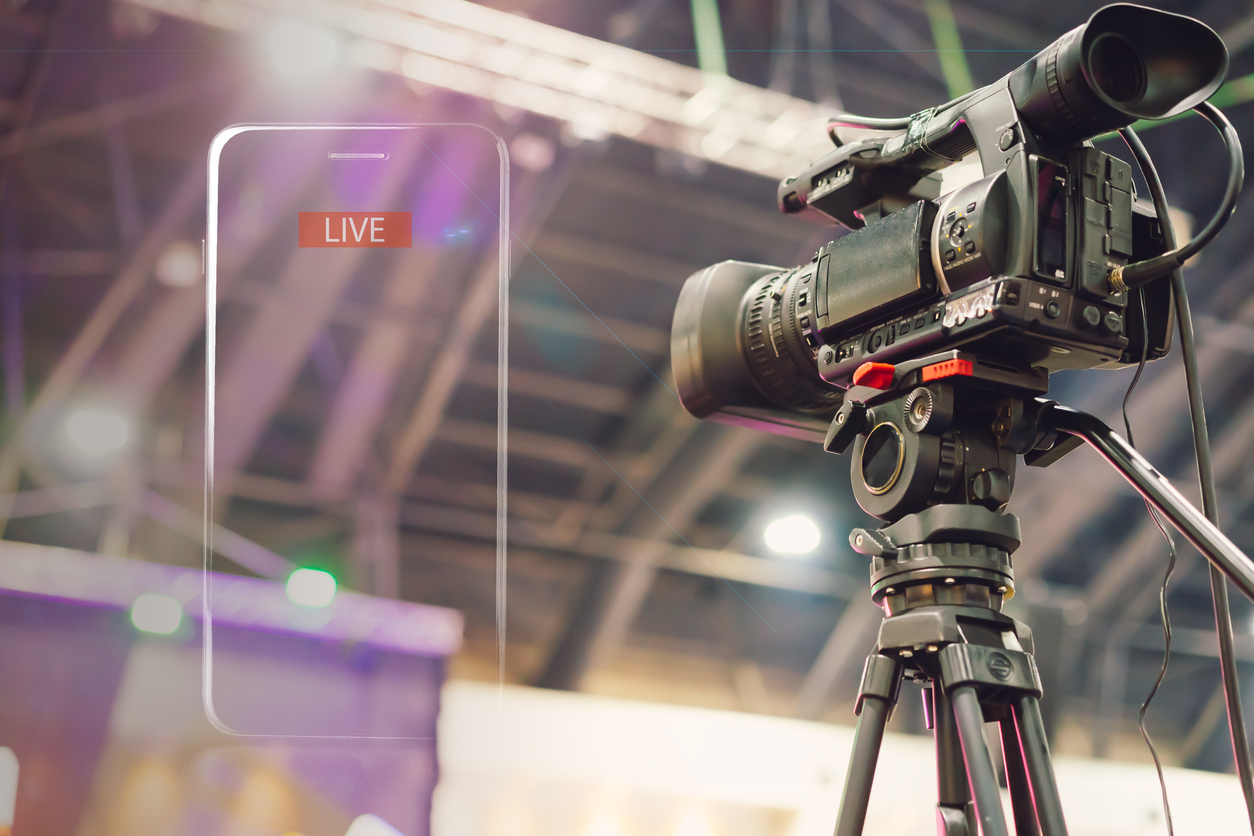
Live streaming videographers are transforming how businesses, organizations, and event hosts connect with audiences in 2026. What started as a necessity has evolved into an expectation. Whether you’re hosting a conference, fundraiser, product launch, wedding, or corporate event, attendees increasingly expect the option to participate from anywhere.
The result? Video production is no longer limited to creating content after an event. Today’s professionals are building real-time experiences that engage audiences both in-person and online.
For organizations looking to expand their reach, virtual event video production has become one of the most valuable investments they can make.
The Audience Is No Longer Limited by Geography
One of the biggest shifts in event planning is the realization that attendance is no longer tied to physical capacity.
A conference room may hold 500 people. A live stream can reach thousands.
Businesses are using virtual and hybrid events to connect with customers, partners, employees, and stakeholders around the world without the limitations of travel costs or venue size.
This trend is especially powerful for:
- Corporate conferences
- Product launches
- Industry trade shows
- Nonprofit fundraisers
- Educational seminars
- Company-wide meetings
- Professional networking events
The ability to reach a larger audience creates more opportunities for engagement, sponsorships, lead generation, and long-term content creation.
Multi-Camera Productions Are Becoming the Standard
Gone are the days of pointing a single camera at a stage and pressing record.
Modern live streaming videographers use multi-camera setups to create a dynamic viewing experience. Multiple camera angles help maintain audience attention and make viewers feel like they’re part of the event.
A professional production may include:
- Wide room shots
- Close-ups of speakers
- Audience reactions
- Product demonstrations
- Panel discussions from multiple angles
The difference is immediately noticeable. Instead of feeling like surveillance footage, the event feels polished, intentional, and engaging.
Real-Time Editing Creates a Broadcast-Level Experience
One of the most exciting developments in virtual event videography is real-time production.
Today’s videographers can switch between cameras, display presentation slides, add graphics, show lower-thirds, and manage transitions all while the event is happening.
This creates a viewing experience similar to what audiences expect from professional broadcasts.
Features often include:
- Speaker name graphics
- Event branding overlays
- Live audience comments
- Sponsor recognition
- Video roll-ins
- Presentation integration
The result is a more professional and immersive event that keeps viewers engaged from beginning to end.
Virtual Stage Design Is Changing What Events Look Like
Not every event needs a physical stage.
Advancements in virtual production have made it possible to create visually impressive digital environments that would otherwise be too expensive or impossible to build in person.
From branded virtual stages to immersive digital backdrops, organizations are using technology to sharpen their presentations and stand out from competitors.
This trend is particularly popular for:
- Corporate keynote presentations
- Product announcements
- Training sessions
- Thought leadership content
- Industry webinars
And as audiences become more accustomed to high-quality digital experiences, expectations continue to rise.
Every Event Is Also a Content Opportunity
One of the smartest reasons to invest in professional virtual event video production is that the content continues working long after the event ends.
A single event can generate:
- Social media clips
- Speaker highlights
- Promotional videos
- Educational content
- Marketing assets
- Internal training materials
In fact, it’s so powerful, many organizations now plan events with content repurposing in mind from the beginning.
This aligns closely with another growing industry trend: creating authentic, story-driven content that audiences actually want to watch. They are looking for value content that feels real, engaging, and human rather than overly scripted.
When captured properly, live events become a powerful source of that authentic content.
What to Ask Before Hiring a Live Streaming Videographer
Not every videographer specializes in live production. So, when evaluating professionals, consider asking:
What live streaming platforms do you support?
Different events may require YouTube Live, Vimeo, LinkedIn Live, Zoom, Microsoft Teams, or private streaming platforms.
Do you provide multi-camera coverage?
A single-camera setup may be sufficient for some events, but larger productions often benefit from multiple angles.
How do you handle internet connectivity and backups?
Reliable streaming requires contingency planning in case of technical issues.
Can you integrate presentations and graphics?
Professional broadcasts typically include branding elements, slides, sponsor recognition, and visual enhancements.
What content can be delivered after the event?
Many videographers can provide edited highlight reels, social clips, and on-demand recordings after the livestream ends.
Finding the Right Videographer Matters
Technology continues to evolve, but one thing remains constant: experience matters.
The best live streaming videographers combine technical expertise with storytelling skills, helping organizations create engaging experiences that resonate with audiences wherever they are.
Whether you’re planning a corporate conference, nonprofit fundraiser, company meeting, or hybrid event, investing in professional virtual event videography can dramatically improve both audience engagement and overall event impact.
If you’re ready to bring your next event online, Funnel makes it easy to connect with experienced videographers who specialize in live streaming, hybrid events, and virtual productions.
Find Creative Pros
Work with local photographers, videographers, and graphic designers. Find your pro today!


