
Videography Lighting Trends: Flash vs. Natural Light
October 4, 2026
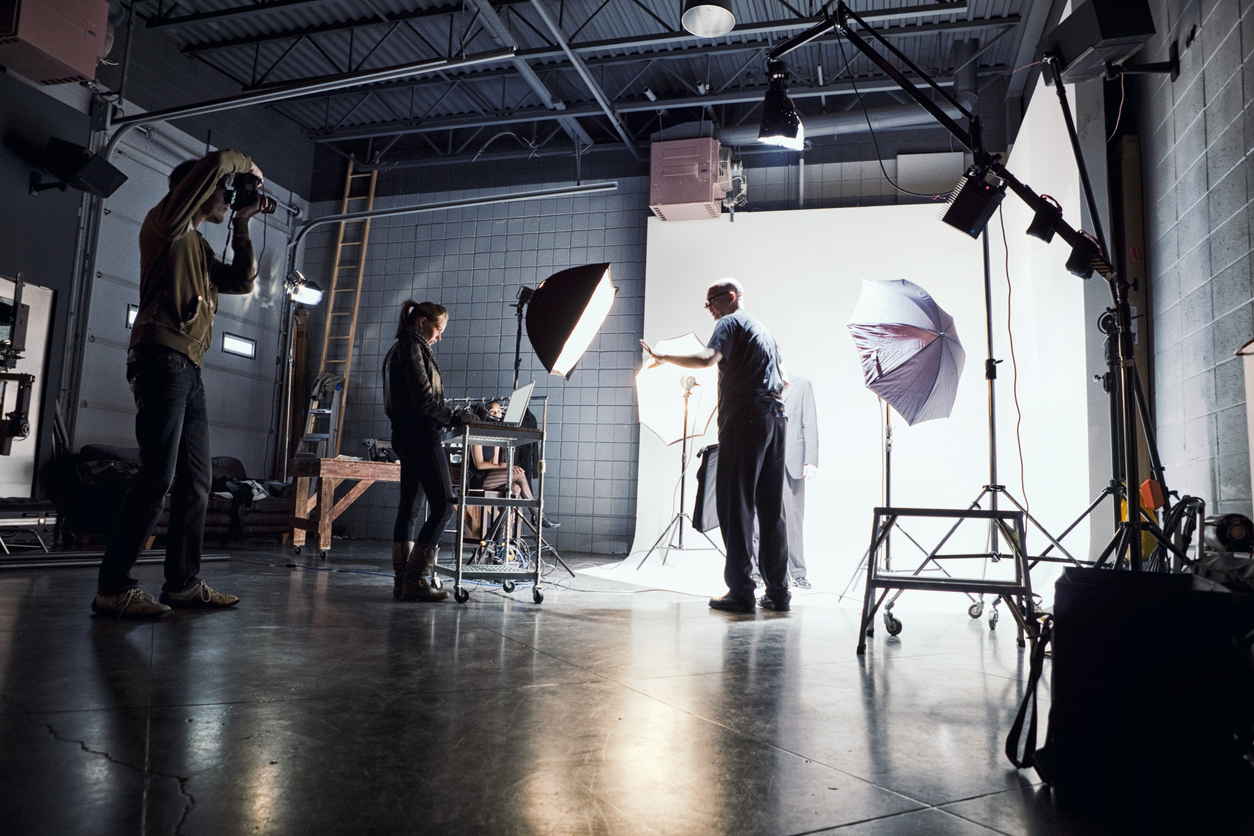
Videography Lighting Trends: When to Use Flash, Editorial or Natural Light
Videography lighting trends continue to evolve as photographers and videographers blend technology, creativity, and authenticity to create more impactful visual content.
If you’ve ever looked at two portfolios and wondered why one feels cinematic while another feels bright and effortless, lighting is often the difference.
Whether you’re planning a wedding, booking brand content, scheduling family portraits, or producing marketing videos, understanding modern lighting styles can help you choose the right creative professional and ensure your final images align with your vision.
Today’s leading photographers and videographers are moving beyond a one-size-fits-all approach. Instead, they’re combining cinematic lighting, natural light techniques, and even a resurgence of flash photography to create unique visual experiences.
Why Lighting Matters More Than Camera Gear
Many people focus on cameras when hiring a creative professional. Professionals tend to focus on lighting.
The way a scene is lit affects:
- Mood and emotion
- Skin tones
- Depth and dimension
- Color accuracy
- Visual storytelling
- Overall production quality
In fact, a skilled photographer or videographer can often create exceptional results with modest equipment simply because they understand how to shape and control light.
As visual trends continue shifting toward authenticity and storytelling, lighting has become one of the biggest differentiators in modern photography and videography.
Trend #1: Cinematic LED Lighting Is Everywhere
One of the biggest shifts in recent years has been the widespread adoption of advanced LED lighting systems.
Modern LED fixtures allow photographers and videographers to create dramatic, movie-inspired visuals without the bulky equipment traditionally required on professional sets.
Today’s cinematic lighting setups often feature:
- Soft, directional key lights
- Color-controlled LED panels
- Practical lights incorporated into the scene
- Motivated lighting that mimics natural sources
- Dynamic lighting transitions for video content
This style works especially well for:
- Brand videos
- Corporate interviews
- Product launches
- Commercial content
- Documentary-style storytelling
The result is polished, intentional imagery that feels elevated without appearing overly staged. And for businesses investing in video marketing, cinematic lighting can immediately increase perceived production value and strengthen brand credibility.
Trend #2: The Natural-Light Revival
At the same time, many photographers and videographers are embracing a more organic aesthetic. The natural-light movement reflects a broader shift toward authenticity across social media, branding, and personal storytelling.
Instead of heavily manipulating scenes, creatives are learning how to work with available light to produce images that feel genuine and timeless. This trend pairs naturally with the growing demand for natural light photography, where clients prioritize realistic colors, authentic moments, and less processed imagery.
Natural light often works beautifully for:
- Weddings
- Lifestyle sessions
- Family portraits
- Personal branding shoots
- Outdoor events
Golden hour remains one of the most requested lighting conditions because of its soft shadows, warm tones, and flattering appearance.
When reviewing portfolios, look for consistency. Strong natural-light photographers know how to create beautiful images even when conditions are less than perfect.
If you’re drawn to authentic storytelling, you may also enjoy the growing movement toward documentary-style coverage and unscripted moments.
Trend #3: Flash Photography Is Making a Comeback
For years, many photographers moved away from flash whenever possible.
Now, flash is experiencing a major resurgence.
Modern editorial photography, fashion campaigns, wedding receptions, and social content increasingly feature intentional flash photography that creates a bold, energetic look.
Unlike older flash techniques that often felt harsh or artificial, today’s creatives use flash as a creative tool.
Popular flash styles include:
- Direct editorial flash
- Retro-inspired party photography
- High-contrast portraits
- Fashion-inspired wedding imagery
- Event photography with vibrant energy
The appeal is simple: flash creates images that feel immediate, exciting, and memorable.
Many wedding photographers now blend natural light during ceremonies and portraits with flash photography during receptions to capture a completely different mood as the day progresses.
When Should You Choose Cinematic Lighting?
Cinematic lighting is ideal when visual storytelling is the primary goal.
You may prefer this style if you are creating:
- Brand films
- Product videos
- Corporate content
- Commercial campaigns
- High-end promotional material
The controlled environment allows creatives to shape every detail and create a consistent visual identity.
When reviewing portfolios, look for intentional shadows, depth, color control, and strong subject separation.
These are often indicators of a photographer or videographer who understands cinematic lighting techniques.
When Is Natural Light the Best Choice?
Natural light works best when authenticity and emotional connection are priorities.
Consider natural-light photography or videography for:
- Weddings
- Engagement sessions
- Family photography
- Lifestyle content
- Personal branding
The goal is often to capture moments that feel real rather than heavily produced.
Many clients today prefer imagery that feels approachable and relatable, making natural-light creatives particularly valuable for personal and small business projects.
When Does Flash Create the Biggest Impact?
Flash shines in situations where energy and atmosphere matter.
Some of the best applications include:
- Wedding receptions
- Corporate parties
- Live events
- Boudoir photoshoots
- Nighttime content creation
The right flash technique can preserve vibrant colors, freeze movement, and create images that stand out from the crowd.
If you love bold editorial aesthetics, flash-heavy portfolios may be worth exploring.
Questions to Ask Before Hiring a Photographer or Videographer
Before booking, ask potential creatives:
- What lighting style do you use most often?
- How do you adapt to different lighting conditions?
- Can you show examples of natural-light and flash work?
- What lighting equipment do you bring to shoots?
- How would you approach my specific project?
These questions can reveal whether a creative’s strengths align with your vision.
Many professionals today combine multiple lighting approaches depending on the situation, giving clients the best of all worlds.
The Best Lighting Style Is the One That Matches Your Story
There is no universal “best” lighting trend.
The right choice depends on the feeling you want your photos or videos to create.
Some projects benefit from dramatic cinematic lighting. Others thrive with authentic natural light. And sometimes a touch of flash creates exactly the energy a moment needs.
Understanding these trends allows you to evaluate portfolios with greater confidence and communicate more effectively with the creative professionals you hire.
When you know the look you’re after, finding the right photographer or videographer becomes much easier.
Ready to bring your vision to life? Find a lighting-savvy creative on Funnel.
Find Creative Pros
Work with local photographers, videographers, and graphic designers. Find your pro today!


